Edward Mitchell

New databases on testate amoebae by Anatoly Bobrov

Two databases of testate amoeba occurrences were recently published by Anatoly Bobrov on the website “Microworld”. The first database is a general database from many places around the world. The second database is on testate amoebae from Sphagnum samples. These two database compile ca. 50 years of research by Anatoly Bobrov. A large proportion of

New databases on testate amoebae by Anatoly Bobrov Read More »

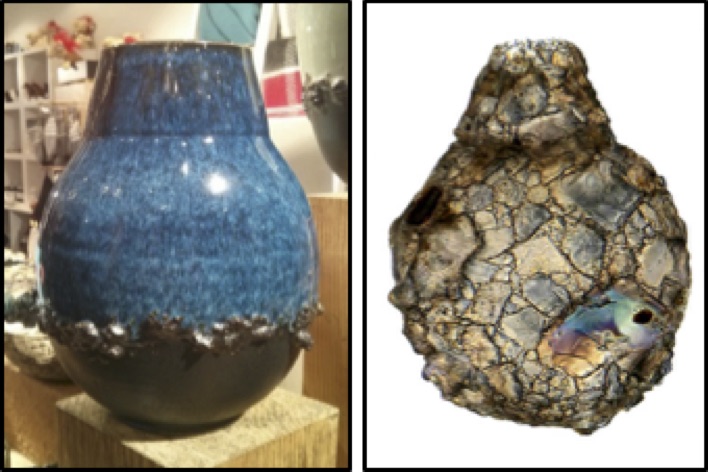
When real life imitates testates: a 2019 ‘Testate amoebae in the real world’ calendar?!

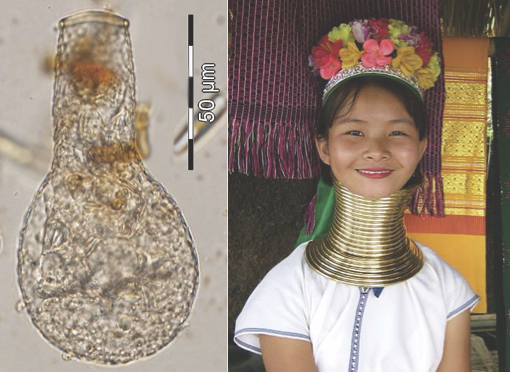
Contributed by Matt Amesbury and Alex Whittle (Real!) testate amoeba photos used with the kind permission of Ferry Siemensma, Microworld, www.arcella.nl   Matt: As testate amoeba analysts, we all spend countless hours staring down the microscope studying and identifying hundreds upon thousands of shells. Perhaps foolishly, I once added up, out of perverse interest, the

When real life imitates testates: a 2019 ‘Testate amoebae in the real world’ calendar?! Read More »

Recent research on testate amoebae in the tropics and other under-studied regions – an almost untapped research Eldorado indeed!

Contributed by Edward Mitchell Laboratory of Soil Biodiversity, University of Neuchâtel, Switzerland   Vincent Jassey recently reported on tropical testate amoebae and especially those living in tank bromeliads (Jassey, 2017). These habitats are absent from higher latitude regions where winter frost would prevent the growth of such plants. Such “unusual” habitats are likely to house

Recent research on testate amoebae in the tropics and other under-studied regions – an almost untapped research Eldorado indeed! Read More »

Who is hiding behind these square scales? or The mystery of the origin of square shell plates in testate amoebae

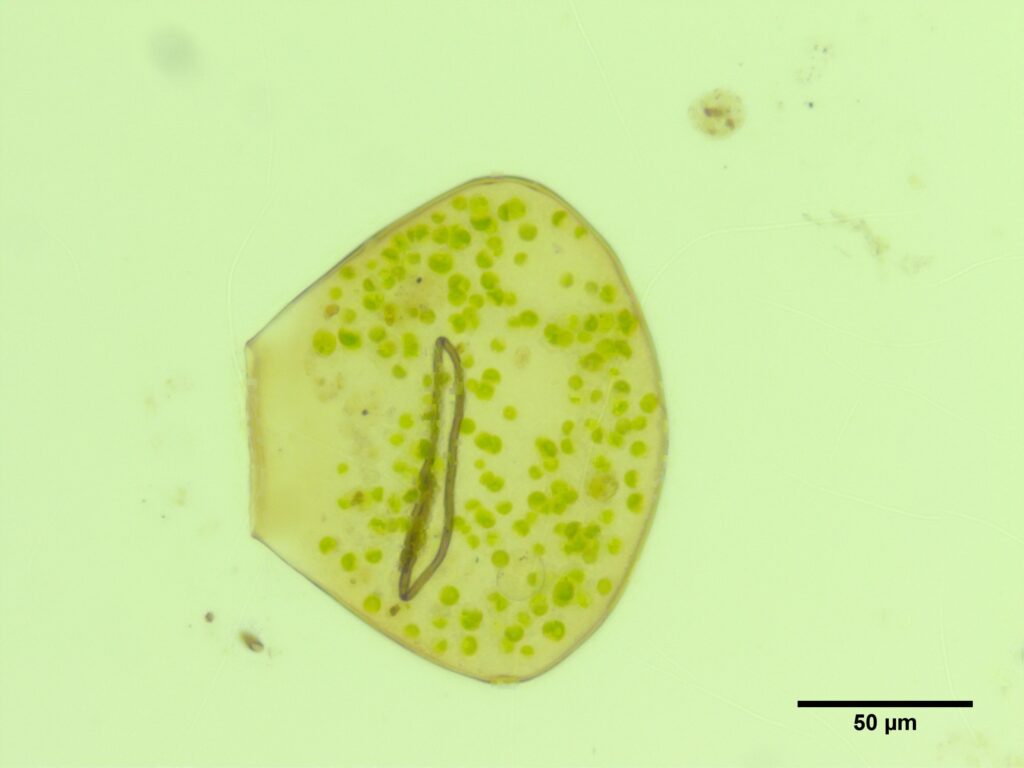
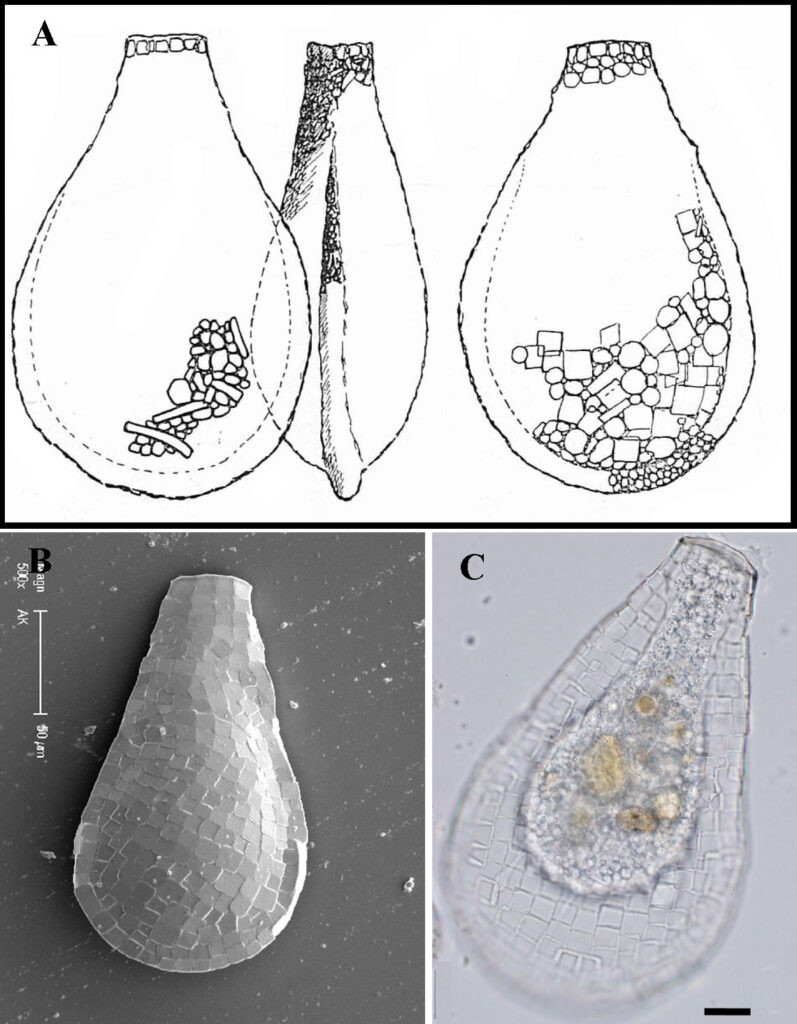
Contributed by Anush Kosakyan   It would be hard to find a testate amoeba lover who does not know the genus Quadrulella. These vase-shaped species are a very unique group within family Hyalospheniidae (Arcellinida) since they are capable of secreting their own square or rectangular shell scales (or plates). These scales are characterisstic only for

Who is hiding behind these square scales? or The mystery of the origin of square shell plates in testate amoebae Read More »

What’s in a name? Something (completely different) to be said about taxonomic nomenclature

By Edward A. D. Mitchell, Laboratory of Soil Biodiversity, University of Neuchâtel, Switzerland   With the advent of high throughput sequencing, estimates of global diversity are being totally revised.  For us protistologists – arguably much more importantly – so is the picture of how diversity is distributed among the different branches of the tree of

What’s in a name? Something (completely different) to be said about taxonomic nomenclature Read More »

Opening the Pandora box of community ecology – The value of long-term data sets and collaborative research

Community ecologists study how communities of plants, animals and other organisms vary in space and time, how they interact and what controls these patterns. To do this they usually either observe (more or less) natural communities or conduct experimental manipulation in the field (in situ experiments) or in controlled conditions (mesocosms, microcosms). Observational studies of

Opening the Pandora box of community ecology – The value of long-term data sets and collaborative research Read More »